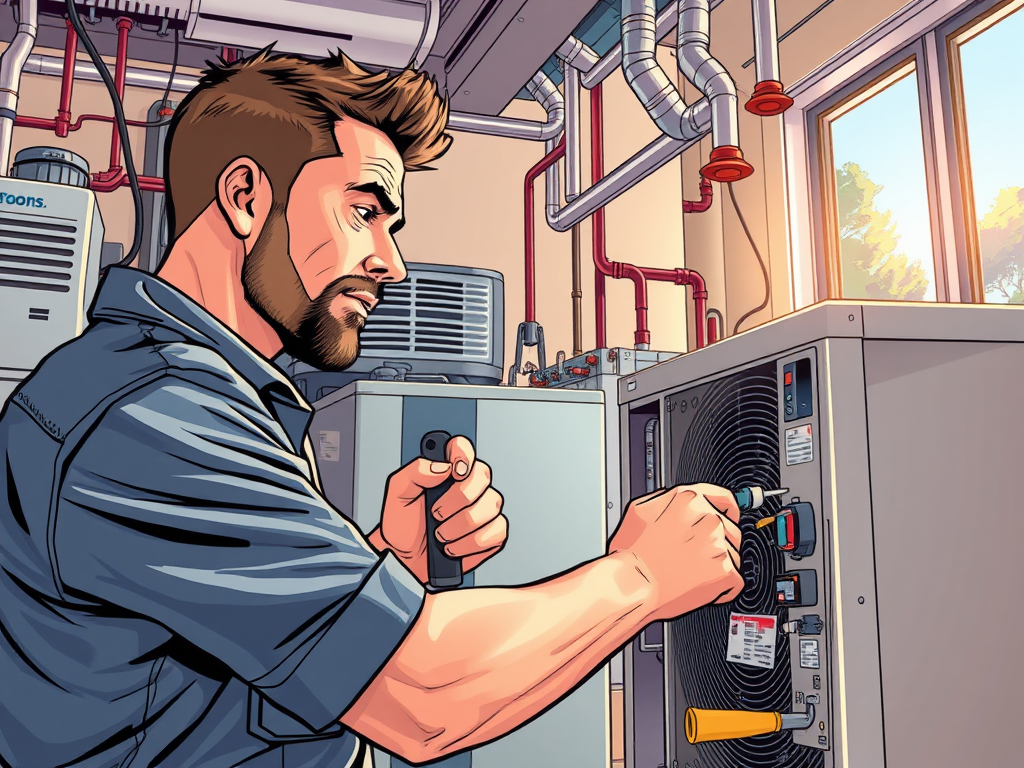
Seamless HVAC Installation: Best Practices Revealed
As a homeowner or building manager, you understand the critical role that heating, ventilation, and air conditioning (HVAC) systems play in maintaining comfort and air quality. When it comes time to install a new HVAC system, following best practices is essential to ensure optimal performance, energy efficiency, and longevity.
In this comprehensive guide, you’ll discover the key steps and considerations for a seamless HVAC installation. From proper sizing and equipment selection to ductwork design and system integration, we’ll walk you through the process to help you achieve the best results for your property. Get ready to unlock the secrets of a successful HVAC installation.

Preparing for a Seamless HVAC Installation
Assess Your Home’s Needs
Before embarking on an HVAC installation, it’s crucial to evaluate your home’s specific requirements. Consider factors such as square footage, insulation quality, and the number of rooms. This assessment will help determine the appropriate size and type of HVAC system for optimal efficiency and comfort.
Choose the Right HVAC System
Selecting the ideal HVAC system is paramount for long-term satisfaction. Research different options, including central air conditioning, heat pumps, and ductless mini-split systems. Consider energy efficiency ratings, such as SEER (Seasonal Energy Efficiency Ratio) for cooling and HSPF (Heating Seasonal Performance Factor) for heating. A higher rating typically indicates better energy efficiency and potential cost savings.
Clear the Installation Area
Prepare the designated installation space by removing any obstacles or debris. This may involve clearing attic space, garage areas, or outdoor locations where the unit will be placed. Ensure easy access for technicians to work efficiently and safely during the installation process.

Schedule at the Right Time
Timing is essential for a smooth HVAC installation. Plan the installation during milder seasons when you’re less reliant on heating or cooling. This approach allows for a more comfortable transition and gives you time to familiarize yourself with the new system before extreme weather hits.
Choosing the Right HVAC System for Your Home
Selecting the ideal HVAC system for your home is a crucial decision that impacts your comfort and energy bills for years to come. To make an informed choice, consider these key factors:
Assess Your Home’s Unique Needs
Begin by evaluating your home’s size, layout, and insulation quality. A professional energy audit can provide valuable insights into your specific requirements. Consider factors like local climate, number of occupants, and personal temperature preferences to determine the optimal system capacity.
Compare System Types
Explore various HVAC options, including:
- Central air conditioning with furnace
- Heat pumps (air-source or geothermal)
- Ductless mini-split systems
- Hybrid systems
Each type has its advantages, so weigh their efficiency, installation costs, and suitability for your home’s structure.
Prioritize Energy Efficiency
Look for ENERGY STAR certified models with high SEER (Seasonal Energy Efficiency Ratio) ratings for cooling and AFUE (Annual Fuel Utilization Efficiency) ratings for heating. While more efficient systems may have higher upfront costs, they often lead to significant long-term savings on utility bills.
Consider Indoor Air Quality Features
Modern HVAC systems often include air purification and humidity control options. If allergies or respiratory issues are a concern, prioritize systems with advanced filtration capabilities to ensure a healthier indoor environment.
By carefully evaluating these aspects, you’ll be well-equipped to select an HVAC system that provides optimal comfort, efficiency, and value for your home.

Professional HVAC Installation: What to Expect
When investing in a new HVAC system, professional installation is crucial for optimal performance and longevity. Here’s what you can anticipate during the process:
Initial Assessment
A qualified HVAC technician will first conduct a thorough evaluation of your home. This includes measuring your living space, assessing insulation quality, and examining existing ductwork. They’ll use this information to recommend the most suitable system for your needs and budget.
Pre-Installation Preparations
Before the installation day, ensure clear access to work areas. Remove any obstacles and protect valuable items nearby. The installation team will lay down protective coverings to safeguard your floors and furnishings.
The Installation Process
On installation day, expect the following steps:
- Removal of old equipment (if applicable)
- Installation of new ductwork or modification of existing ducts
- Placement and securing of the new HVAC unit
- Connection of electrical components and refrigerant lines
- Installation of the thermostat and other control systems
The duration can vary, but most residential installations are completed within a day or two.
Post-Installation Procedures
After installation, the technician will run a series of tests to ensure everything is functioning correctly. They’ll also provide you with a walkthrough of the new system, explaining its features and maintenance requirements. Don’t hesitate to ask questions about operation or energy-saving tips.
Remember, choosing a reputable HVAC company ensures a seamless installation experience and long-term system reliability.
Optimizing HVAC Efficiency Through Proper Installation
Precision Sizing and Placement
Proper HVAC installation begins with accurate system sizing. An oversized or undersized unit can lead to inefficiency, increased energy costs, and reduced comfort. Professional HVAC technicians use sophisticated load calculations to determine the ideal system capacity for your space. Additionally, strategic placement of indoor and outdoor units is crucial. Optimal positioning ensures efficient airflow, minimizes noise, and prevents obstruction from furniture or landscaping.
Ductwork Design and Sealing
The ductwork is the circulatory system of your HVAC setup. A well-designed duct system minimizes air loss and maintains consistent temperatures throughout your home. During installation, technicians should focus on:
- Creating a balanced layout with minimal bends and turns
- Using appropriately sized ducts for each room
- Properly insulating ducts, especially in unconditioned spaces
- Sealing all joints and connections to prevent air leakage
Meticulous attention to ductwork can significantly boost your HVAC system’s overall efficiency and performance.
Advanced Thermostat Integration
Modern HVAC systems benefit greatly from smart thermostat integration. During installation, technicians should carefully position and connect these devices to optimize temperature control and energy savings. Smart thermostats learn your preferences, adjust to your schedule, and can be controlled remotely, further enhancing the efficiency of your newly installed HVAC system.

Maintaining Your Newly Installed HVAC System
Regular Filter Changes
Keeping your HVAC system running smoothly starts with regular filter changes. Clean filters ensure optimal airflow, reduce energy consumption, and improve indoor air quality. Set a reminder to check and replace filters every 1-3 months, depending on usage and environmental factors. Choose high-quality filters that match your system’s specifications for the best results.
Schedule Professional Maintenance
While DIY maintenance is important, nothing beats the expertise of a professional HVAC technician. Schedule annual maintenance checks to catch potential issues before they become costly problems. During these visits, technicians will inspect, clean, and tune up your system, ensuring it operates at peak efficiency year-round.
Monitor System Performance
Pay attention to your HVAC system’s performance. Listen for unusual noises, watch for inconsistent temperatures, and keep an eye on your energy bills. These can be early indicators of developing issues. If you notice any changes, don’t hesitate to contact a professional for an assessment. Prompt attention to small problems can prevent major breakdowns and extend your system’s lifespan.
Keep Vents and Outdoor Units Clear
Ensure all vents inside your home are unobstructed by furniture or drapes to maintain proper airflow. Outside, regularly clear debris like leaves, grass clippings, or snow from around your outdoor unit. This simple step helps your system operate efficiently and prevents potential damage.
Conclusion
As you embark on your HVAC installation journey, remember that attention to detail and adherence to best practices are paramount. By following the guidelines outlined in this article, you’ll ensure a seamless and efficient installation process. From proper sizing and equipment selection to meticulous ductwork design and professional installation, each step contributes to the overall performance of your system. Regular maintenance and periodic inspections will help maintain your HVAC’s efficiency and longevity. With these best practices in mind, you can look forward to years of comfort and energy savings in your home or business. Embrace these insights to make your HVAC installation a resounding success.